The Challenge of Extreme Hydrostatic Sealing
In high-pressure subsea exploration and upstream oil and gas production, joint integrity is paramount. Operating conditions frequently exceed 15,000 to 20,000 psi in deepwater environments where temperatures cycle rapidly. Standard non-metallic or semi-metallic gaskets cannot withstand these load dynamics without significant risk of blowout or stress relaxation.
"API Spec 6A and 17D mandate stringent hardness differentials between the ring joint gasket and flange groove to ensure controlled metal deformation without damaging expensive forged flange faces."
Key Differences: R, RX, and BX Profiles
Selecting the correct RTJ profile is critical to achieving reliable metal-to-metal sealing:
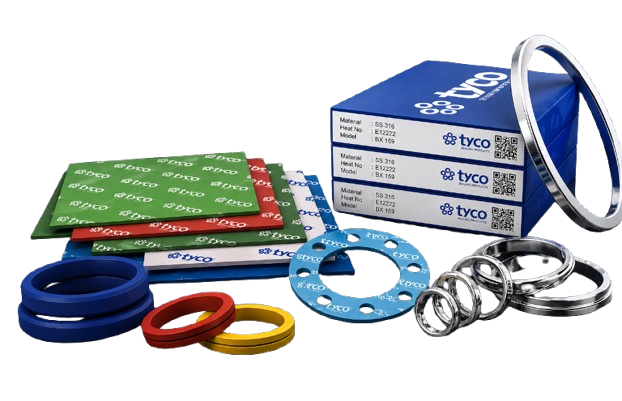
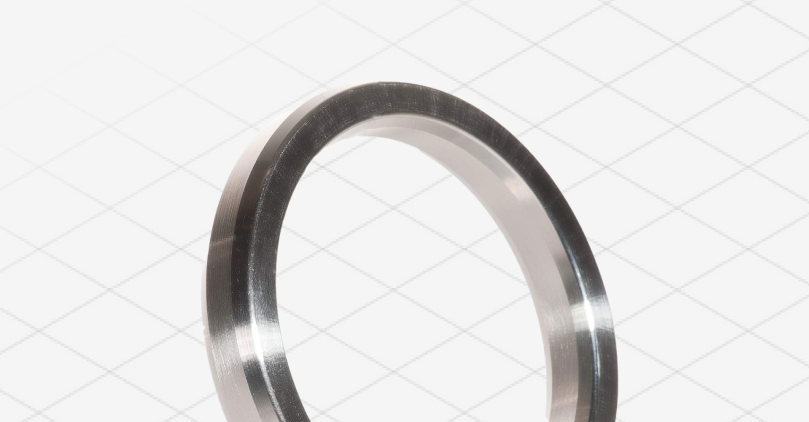
- Style R (Oval & Octagonal): Standard interchangeable designs for ASME B16.5 and API 6B flanges up to 5,000 psi rating.
- Style RX: Pressure-energized design featuring an asymmetric cross-section that utilizes internal system pressure to increase sealing force.
- Style BX: Specially engineered for API 6BX flanges operating up to 20,000 psi, featuring pressure equalization boreholes to prevent hydrostatic lock.
Material Hardness and Galvanic Compatibility
To avoid galling or indentation of the flange groove, the gasket material must be significantly softer than the flange material (typically at least 30 HB lower). For sour service applications (H2S and CO2), Inconel 625 or 825 cladding is employed to eliminate stress corrosion cracking risks.
Conclusion and Best Practices
Always ensure strict torque sequencing, inspect ring grooves with optical gauges before installation, and never reuse metallic RTJ gaskets after unbolting.